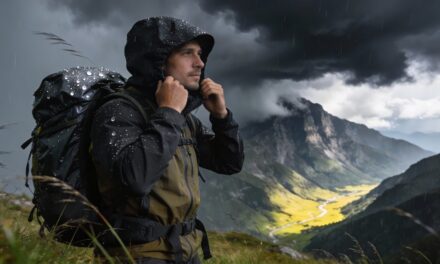
You could pack everything but the kitchen sink for your first hike and still forget something essential. Here’s the reality: beginners often overlook basic safety steps that experienced hikers consider automatic.
You don’t need expensive gear to stay safe, but you do need a solid plan and some common sense. The difference between a great outdoor adventure and a search-and-rescue operation often comes down to just a few simple decisions you’ll make before you even hit the trail.
Essential Hiking Safety Gear Every Beginner Should Pack
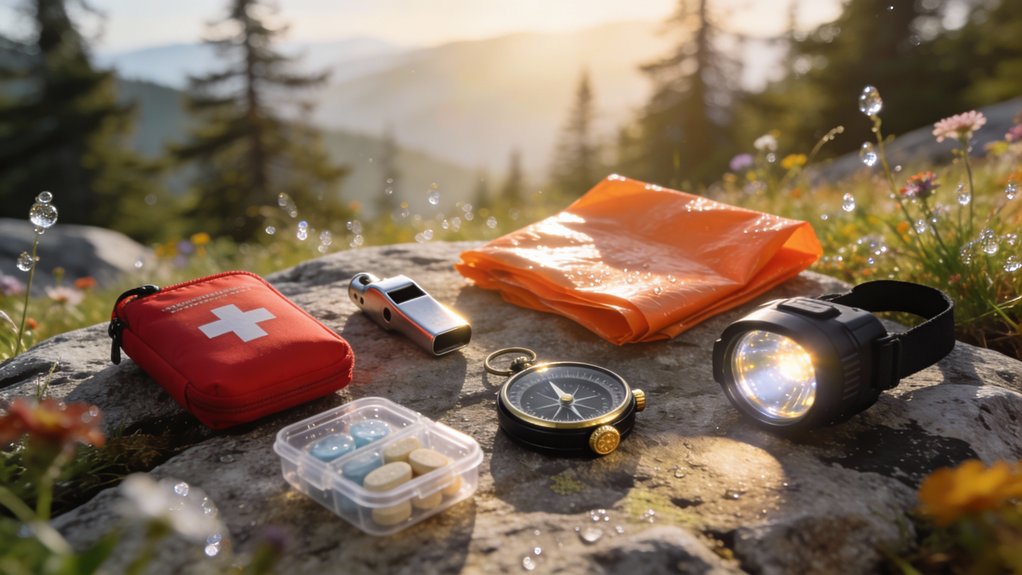
Before you hit the trail for your first hike, you need to pack the right safety gear. Start with a first aid kit containing band-aids, antiseptic wipes, and your personal medications.
A well-stocked first aid kit with band-aids, antiseptic wipes, and personal medications forms the foundation of essential trail safety gear.
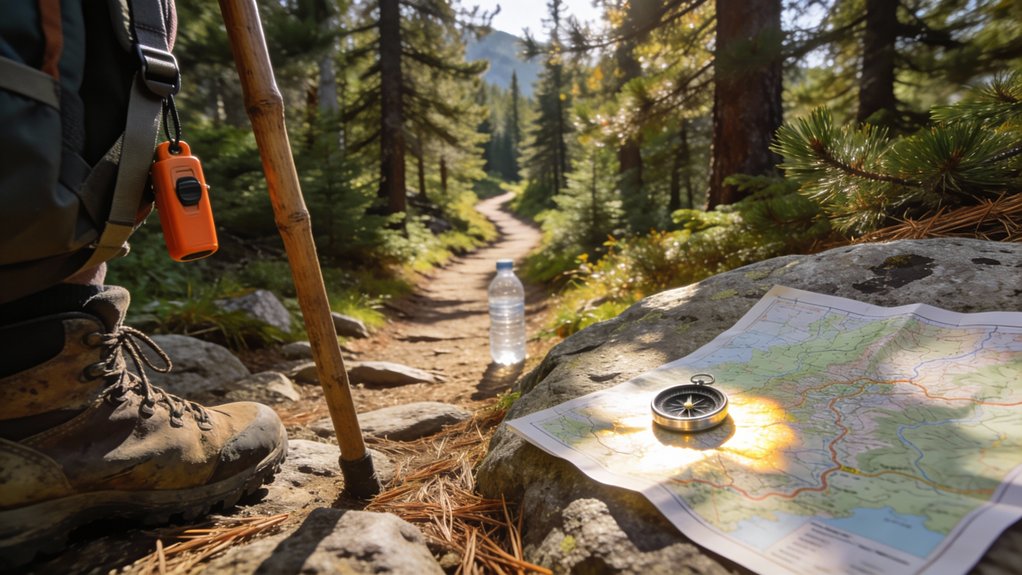
Navigation tools like a physical map, compass, or GPS app keep you on course when cell signals fade. Pack a headlamp with extra batteries for unexpected delays after dark.
A multi-tool handles food prep and gear repairs.
Don’t forget emergency essentials: whistle, lighter, space blanket, extra food, and sufficient water. During wildfire season, stay informed about air quality levels in your hiking area before heading out.
These items give you independence while protecting you from common trail situations.
Tell Someone Your Hiking Plans Before You Go
Packing the right gear prepares you for trail emergencies, but someone back home needs to know you’re out there.
Solid hiking communication means sharing your complete itinerary with emergency contacts before you leave.
Tell them:
- Your exact trail name and a link to the route’s webpage
- Your expected return time and planned checkpoints
- When you’ll check in if you’re hiking solo
- That they should alert authorities if you don’t contact them within 1-2 days
This simple step gives searchers a starting point if something goes wrong.
Your contact person becomes your safety net while you’re enjoying the freedom of the trail. Building confidence on the trails helps you stay calm during emergencies, making it easier to communicate clearly with your emergency contact.
Stay on Marked Trails and Use Navigation Tools
While your emergency contact watches from home, you’ll need reliable tools to keep yourself found on the trail. Download navigation apps with offline maps before you lose cell signal in remote areas. Check your GPS or paper map every 30 minutes to confirm your position.
Good trail etiquette means staying on marked paths: you’ll protect wildlife habitats and prevent trail widening that damages ecosystems.
Combine electronic navigation with traditional maps for the best results, especially in unfamiliar terrain.
These tools give you the confidence to explore freely while keeping yourself on course and the wilderness intact.
Listen to Your Body and Turn Back When Needed
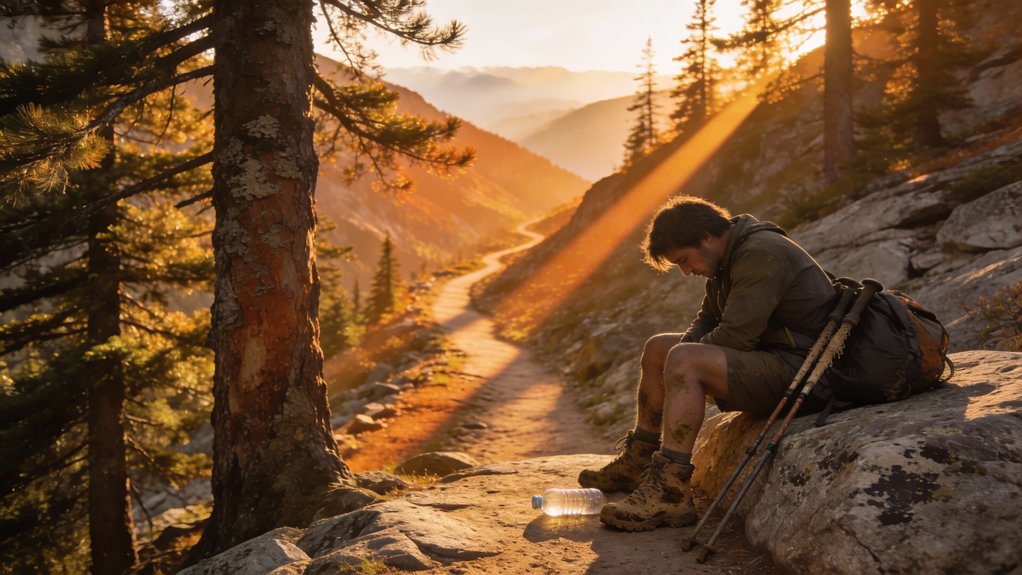
Even the best navigation tools won’t help if you’ve pushed yourself past your physical limits. Fatigue awareness keeps you safe on the trail.
Take breaks every hour to check how you’re feeling honestly.
Watch for these warning signs:
- Elevated heart rate that won’t slow down
- Muscle soreness that’s getting worse
- Lightheadedness or excessive thirst
- Cramping in your legs or core
Hydration importance can’t be overstated on warm days: heat stroke happens fast.
Experienced hikers turn back when their bodies tell them to.
There’s zero shame in cutting your adventure short. You’ll have freedom to explore again tomorrow.
What to Do if You Encounter Wildlife on the Trail?
Wildlife encounters happen more often than most beginners expect, and your reaction determines whether the experience stays memorable or turns dangerous.
Make noise while hiking, clapping, talking, or using bear bells alerts animals to your presence before surprise meetings occur.
Keep 100 feet from large mammals like bears and elk. If you spot wildlife, stay calm and back away slowly without turning around.
Never run or feed animals, since this changes their wildlife behavior permanently.
Research encounter protocols for your specific trail area beforehand.
Different species require different responses, so knowing local wildlife keeps you safer and maintains your freedom to explore confidently.
Read more on hiking tips for winter.