Most people who come to Montana for the first time to fly fish think the fishing is the complicated part. The fishing is fine. What gets people is everything around it.
The licensing. The gear gaps. The food situation when the nearest grocery store is forty-five minutes away.
Those are the things worth sorting before the trip. Here is what we would tell someone doing this for the first time.
What a cabin fishing trip actually looks like
The rhythm is different from a lodge or a guided float package. On a self-catered cabin trip, you set your own schedule, cook your own meals, and handle your own gear.
The good version of that is freedom. You fish the cold early morning when the trout are moving. You walk back midmorning, make a real breakfast, and wait out the afternoon heat.
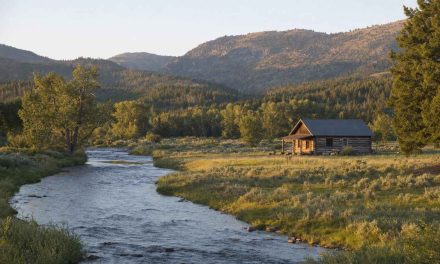
The thing to account for is that remote means remote. On the Big Hole, cell service is spotty and there is no store around the corner. Forget something and you may not replace it that day.
The trade-off is worth it. You just need to go in prepared.
The fishing license: sort this before you leave home
Montana requires a fishing license for all anglers, including nonresidents. There is no getting one at the water.
Buy your nonresident license through Montana Fish, Wildlife and Parks before you drive out. The state sells them online and the process is straightforward.
Check the same site for current regulations. In low-flow summers, some stretches of the Big Hole close to afternoon fishing to protect the fish, so knowing the rules before you go is not optional.
For how those rules play out in practice, see our overview of Big Hole River fly fishing cabins.
What to pack
Waders and wading boots
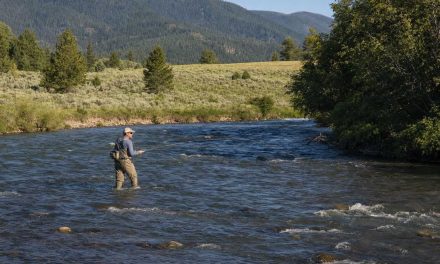
If you own them, bring them. Wade fishing is how most anglers work a river like the Big Hole on a self-guided trip.
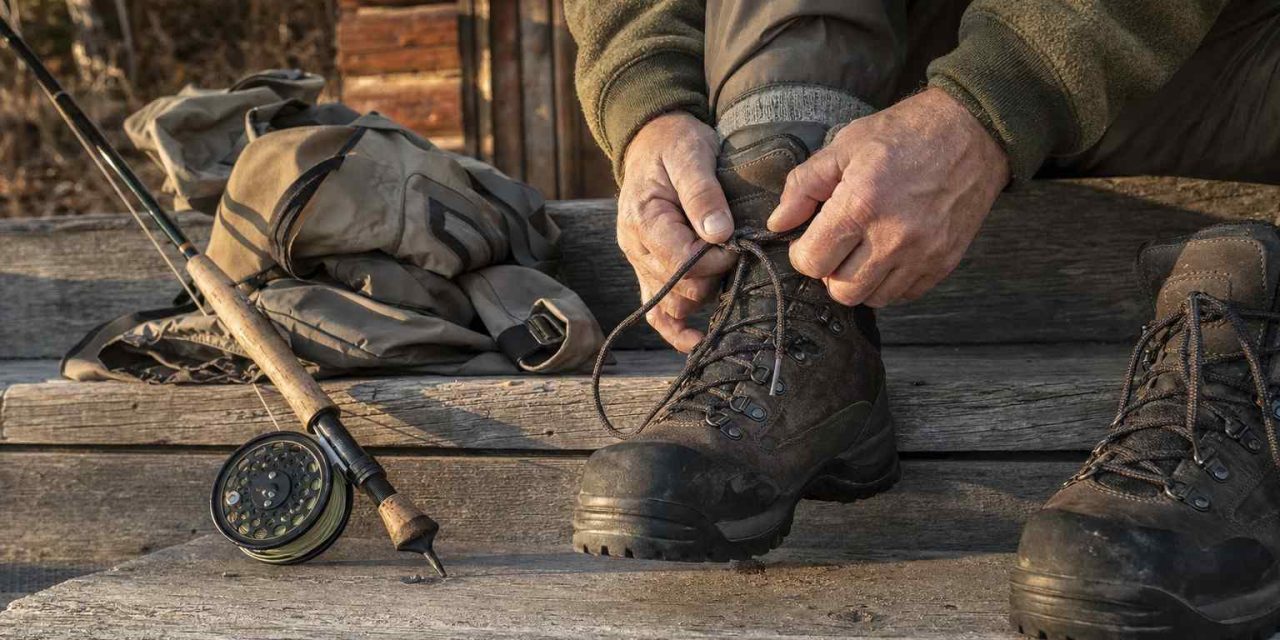
If you do not own waders, do not buy a pair for one trip. Rent from a fly shop in the area instead. Shops near the Big Hole, including in Melrose and Dillon, rent waders and boots by the day. If you would rather invest before you go, you can compare chest waders on Amazon.
Layers and a rain shell
Montana weather can swing from warm to cold inside an afternoon. A June morning near the river can sit in the forties, then push into the eighties by two, then a storm rolls in.
Pack a base layer, a mid layer for the mornings, and a rain shell. The shell earns its weight on most trips.
Polarized sunglasses and sun protection
Polarized lenses cut glare so you can see fish holding in the water. They are close to mandatory for serious wade fishing.
Sun protection matters too. Open river means open sky, and it adds up faster than you expect.
Rod, reel, and flies
If you own a rod and reel, bring them. A 9-foot, 5-weight setup covers most trout fishing on the Big Hole well.
If you do not own gear, that is another reason to call a local fly shop before the trip. Most can point you to rentals or tell you what they stock. Our guide to fishing the Big Hole by season helps you think through fly selection by time of year.
You do not need a drift boat
This is worth saying plainly, because a lot of first-timers assume they do.
Wade fishing produces excellent results on the Big Hole. Plenty of skilled anglers fish the whole river on foot. A drift boat reaches more water in a day, but it is not the only way to a good trip.
If you want to float, the sensible first-trip move is to hire a local guide for a day. The guide brings the boat, the rigging, the local knowledge, and the coaching.
You learn more in one day with someone who fishes it every week than in two solo days reading the river cold. For anglers genuinely new to fly fishing, a guided half day near the start orients you fast.
Then wade fish the rest of the week with a clear picture of what you are doing. We have more on using trout fishing in Montana to plan around both guided and DIY time.
Bear country
Montana is bear country. The Big Hole drainage and the surrounding mountains hold both black bears and grizzlies.
Carry bear spray and know how to use it. This is not alarmist. It is the same practical mindset that buys a license and packs a rain shell.
Most anglers go many trips without an incident. The spray is cheap insurance, and the habit of carrying it is the point. Keep camp clean, store food properly, and pay attention on the trail sections near the river.
What the cabin likely will not have
Self-catered cabins in the Big Hole area vary a lot. Most have a full kitchen or kitchenette, which is a big reason people pick a cabin over a lodge.
What they often do not have:
- Reliable cell service or fast Wi-Fi
- A stocked pantry, beyond the basics at best
- A place to buy tackle or replacement gear nearby
Do your grocery run before you reach the cabin. Dillon has a full grocery store and is the last reliable stop before many of the remoter rentals. Stock up there. Bring enough coffee. The mornings start early, and the kitchen is yours.
You do not need to be an expert
A self-catered cabin fly fishing trip on the Big Hole is not just for people who have done it ten times. It works well for first-timers who go in with realistic expectations and take an hour to get the logistics right.
Buy the license before you leave home. Rent gear if you need it. Hire a guide for a day if you want to learn the water fast. Pack layers and bear spray. Stock up in Dillon.
The river will handle the rest.